Best Places to Visit in Tuscany
What to see in a region synonymous with beauty? Here are 15 must-see attractions in Tuscany: featuring art cities, villages, thermal spas, sea and mountains!
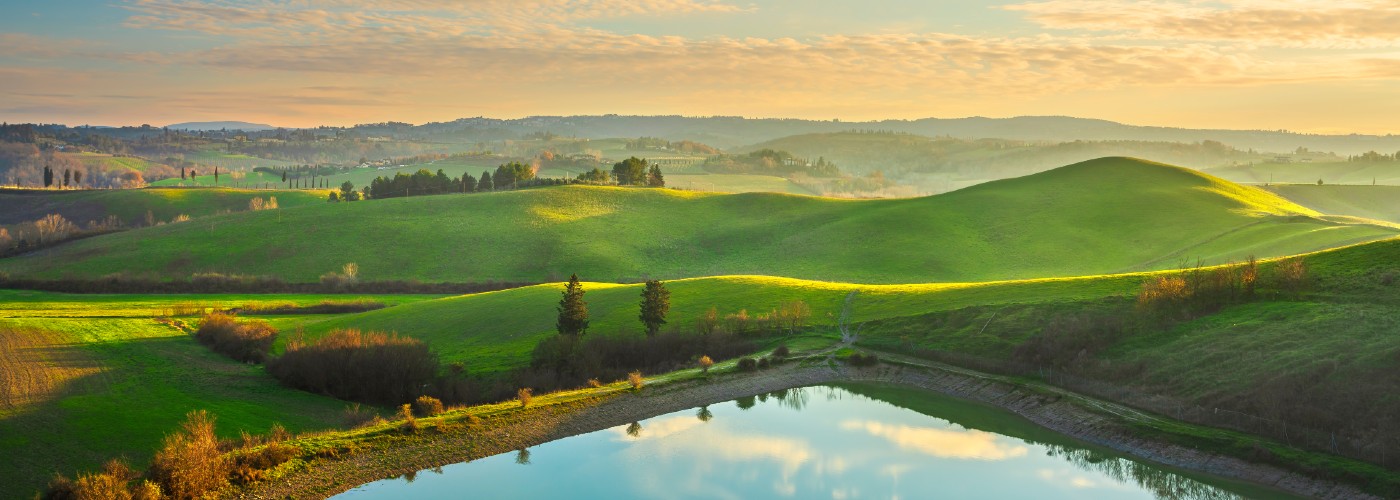
Tuscany is the region that symbolises Made in Italy to the world. A place where beauty reigns supreme, whether in the form of artistic masterpieces, high-fashion creations or postcard-perfect landscapes. Foreign tourists love it unconditionally and regard it as the emblematic image of Italy: they flock indiscriminately to its museums, wineries, thermal spas and villages. So why shouldn’t we take advantage of all this beauty on our doorstep?
Treat yourself to a holiday in Tuscany: you don’t need to be a wealthy foreigner to appreciate the beauty. Simply get behind the wheel and drive up and down the winding lanes that crisscross the countryside, stop off in a medieval village that seems frozen in time, and end your day with an authentic meal washed down with a good glass of Chianti or Brunello di Montalcino.
Tuscany isn’t just art galleries and charming villages, it’s also sea and nature. You can bask in the sun on wild, hard-to-reach beaches or well-equipped resorts, ski at Abetone, trek and mountain bike across the Apuan Alps, or immerse yourself in the warm waters of a natural spring nestled in a forest.
After your first holiday, give yourself a second, third or even fourth, because there are so many attractions in Tuscany that you won’t be able to see them all in a weekend or even a week, and you’ll definitely want to return. You never tire of beauty.
Rich in attractions, natural beauty and events, Tuscany can be visited all year round. However, there are certain factors to consider to make the most of your holiday.
If you’re planning to visit art cities, try to avoid the peak season. Florence is one of the most visited cities in Italy and can feel a bit claustrophobic during the holidays, when its city centre streets and famous museums are overrun with tourists.
Watch out for the heat too: visiting Florence and other art cities in summer can be quite tiring. During the summer months, it’s better to head to the seaside, and Tuscany certainly doesn’t lack beautiful beach holiday options! If you’d rather explore villages or go on a walking holiday, the recommended seasons are spring and autumn.
Winter can be cold, and snowfall is not uncommon in mountain areas. Keep this in mind if you’re planning a holiday during this season.
When organising your Tuscany holiday, remember to check what events are scheduled in the places you’re interested in visiting. During the most famous events, hotels are always fully booked, so it’s important to book well in advance.
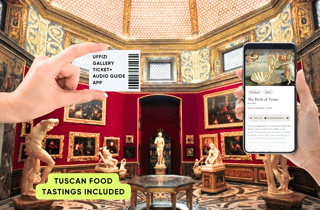
Florence is the crown jewel of Tuscan tourism: the unmissable destination of the Grand Tours of Italy in the past, it remains one of the most visited cities in Italy. The appeal of its artistic masterpieces, such as the Duomo and the Uffizi Gallery, and the romantic views from the Ponte Vecchio is truly irresistible.
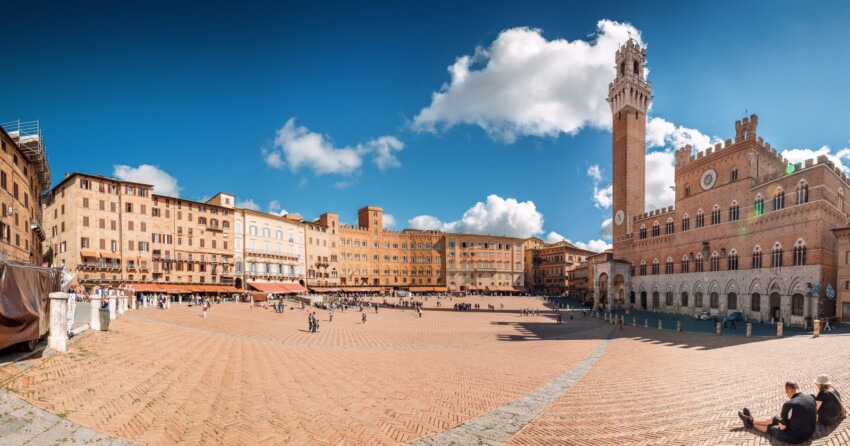
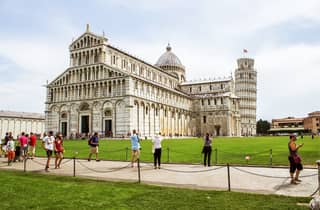
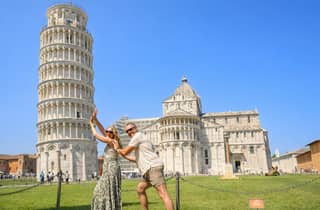
Another iconic Italian tourism city is Pisa, universally known for its famous Leaning Tower. Siena‘s fame is linked to the Palio, a centuries-old tradition that captivates locals and fascinates visitors from around the world, and to the stunning Piazza del Campo.
Lucca and Arezzo are less visited but not without interesting historical and cultural attractions. They’re well worth considering.
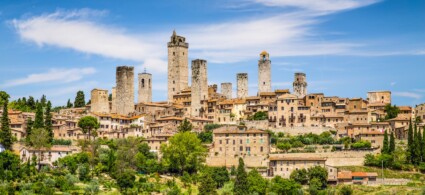
Perched on hilltops, nestled in greenery and framed by elegant cypress trees, Tuscany’s villages are utterly enchanting – the envy of the entire world. Choosing which ones to visit is genuinely difficult because there are so many, and they’re all beautiful, but three you absolutely must see are San Quirico d’Orcia, Certaldo and San Gimignano: three iconic medieval villages that encapsulate centuries of history and art.
Wine enthusiasts cannot miss Montepulciano, a village whose name is linked to one of Tuscany’s most renowned and appreciated wines; beauty and culinary excellence also await at Pienza: described as “the ideal city” by Pope Pius II, it’s the home of a delicious pecorino cheese.
If you prefer literary pleasures to culinary ones, pay homage to one of our greatest writers by visiting Certaldo, the birthplace of Boccaccio.
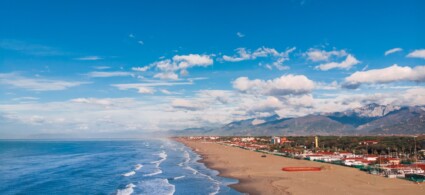
Lucky Tuscans: they live in dream cities and when the heat becomes stifling, they can simply get in the car and in no time they’re soaking up the sun on dream beaches! Why not treat yourself to a few days by the sea in Tuscany too?
You can choose between fashionable resorts full of bars and entertainment, such as Forte dei Marmi, Marina di Pietrasanta and Lido di Camaiore, or lesser-known beaches that still retain wild beauty. However, the emblematic seaside destination is Viareggio, a beach resort famous for one of the world’s most important carnivals. Other beach resorts with a long tourist tradition include Marina di Grosseto and Marina di Carrara.
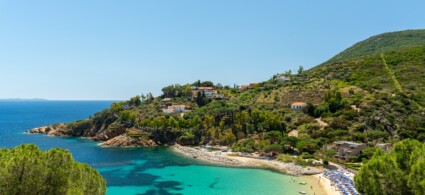
For those who appreciate beautiful seas, the islands of the Tuscan Archipelago are a top destination, with the island of Elba, the island of Giglio and the island of Capraia standing out. Here you can experience a dream holiday immersed in nature, but be warned: these are well-known destinations and not exactly budget-friendly, so if your holiday budget is tight, book well in advance to have more accommodation options and secure an affordable price.
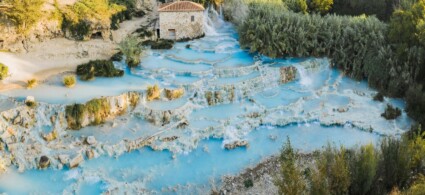
Tuscany’s thermal spas are the perfect place to forget the stress of everyday life and completely recharge your batteries. A soak in the natural hot springs of Saturnia and Bagni di San Filippo is a completely rejuvenating experience, worth trying at least once in a lifetime.
For a romantic break, it’s better to book a spa hotel in Tuscany’s most famous thermal resorts: luxury facilities guarantee privacy and dream experiences. You can look in Saturnia or at Montecatini Terme, Chianciano and Rapolano.
Tuscany has a long hotel tradition: this applies to city environments such as Florence and Pisa, as well as other settings like villages, beach resorts and even rural areas. Finding a place to stay in Tuscany is generally not difficult because the choice of accommodation is very wide. If you have particular requirements, whether budget or taste-related, it’s best to book in advance, especially if you’re travelling during special events (such as the Siena Palio or Viareggio Carnival) or during peak season.
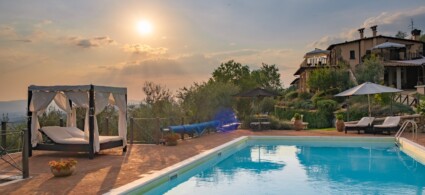
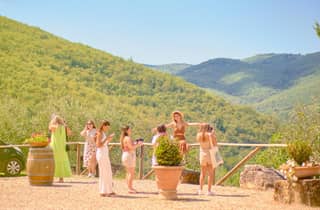
The jewel in Tuscany’s hospitality crown is bed-and-breakfasts and farm stays: these are the establishments that best capture the essence of Tuscan living – a lifestyle devoted to beauty, simplicity and good food.
Prices for B&Bs and farm stays in Tuscany vary greatly depending on the category. Some are very simple and offer essential services; others are beautifully appointed character homes aimed mainly at wealthy foreign tourists and are consequently quite expensive.
In Florence and the thermal spa towns, you’ll easily find hotels and apartments of good quality; the same applies to beach resorts.
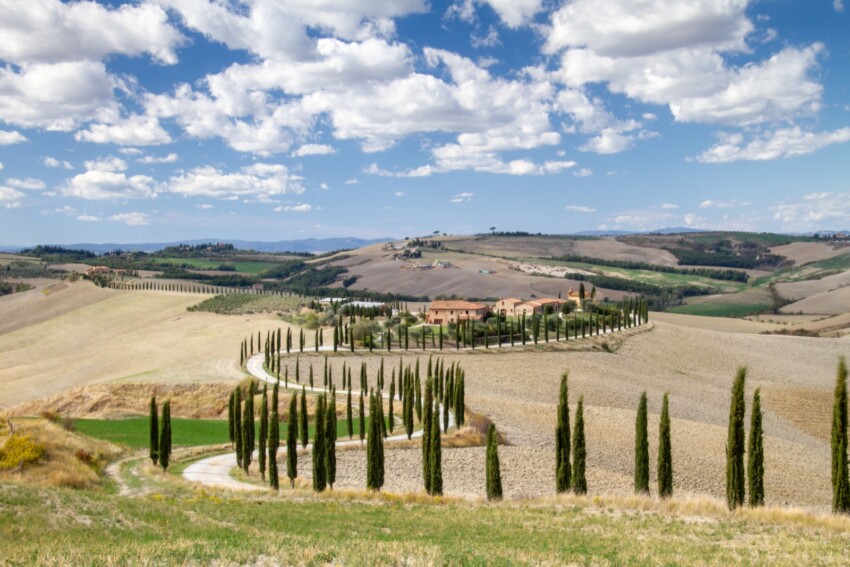
A road trip through Tuscany is the best way to fully capture the poetry of this timeless region. Rail and coach connections between Tuscany’s main cities are efficient, but many small towns, including some of the most famous villages, are difficult to reach by public transport. It would be impossible to fully explore enchanting areas like the Chianti region, Val d’Orcia or Garfagnana… but it would also be a real shame not to!
Driving in Tuscany is a wonderfully pleasant and relaxing experience. Leave the big cities behind and the roads are generally light on traffic, with breathtaking scenery unfolding before your eyes. Winding hills, endless expanses of vineyards or fields of sunflowers in bloom, and orderly rows of cypress trees are the iconic images of a self-drive holiday in Tuscany. But the landscapes are far more varied: you’ll also encounter lush meadows, umbrella pines and rugged, rocky mountains.
You can create a custom driving itinerary based on your interests and available time, choosing where and when to stop. For example, a car allows you to pop into wineries you encounter along your route through Chianti or visit multiple villages in a single day. A car is also useful if you want to combine art cities and islands during a week-long holiday: with your own transport, you won’t waste time waiting for trains and buses to reach the port.
Tuscany is a region in central Italy. It borders Liguria and Emilia-Romagna to the north, Lazio to the south, and Umbria and briefly Marche to the east. It is washed by the Tyrrhenian Sea to the west.
 Hotel
Hotel 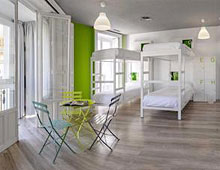 Budget accommodations
  Apartments
  Family Hotel
 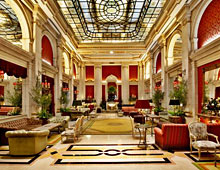 Luxury Hotel
  Resorts