Mercure Petriolo Siena Terme Spa Hotel
Bagni di Petriolo - Località Bagni di Petriolo
Book now
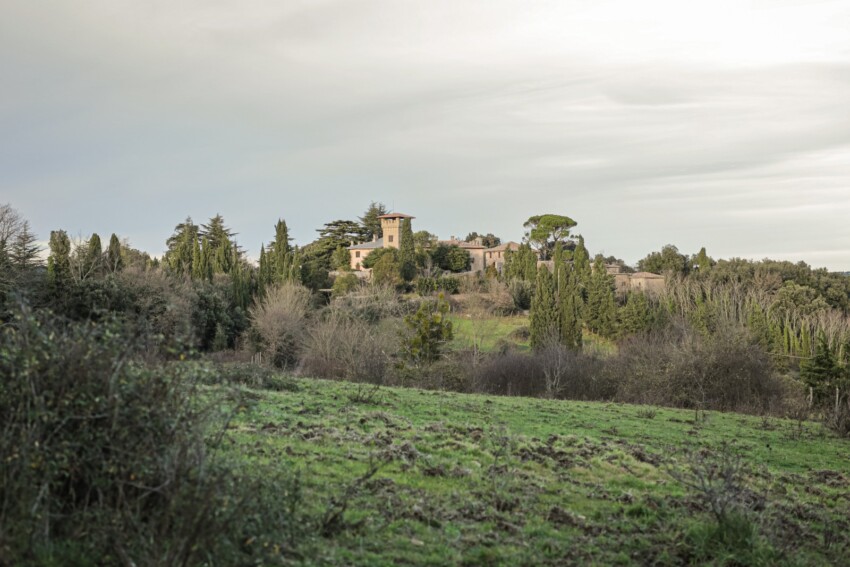
The Farma Nature Reserve, situated between Monticiano and Roccastrada, encompasses the middle stretch of the spectacular and unspoilt valley through which the Farma stream flows – the principal tributary of the Merse river – and the upper course of the Lanzo, a lengthy stream that feeds into the Ombrone near Paganico. The Siena portion of the Reserve is confined to the left bank of the Farma stream, whose course marks the boundary between Siena and Grosseto provinces. Within the protected area, in Grosseto territory, lies the Belagaio State Nature Reserve for Wildlife; here, on the Farma-Lanzo watershed, stands Belagaio, an ancient feudal castle now owned by the State Forestry Corps.
For those driving the Siena-Grosseto road, at the Petriolo viaduct, the Farma Valley reveals itself in all its ruggedness, with steep slopes completely blanketed in vegetation that frame a narrow V-shaped gorge, through which the stream’s waters are occasionally visible.
The entire Farma Valley, and especially the stretch within the Reserve, preserves natural features that are unique to Siena province and among the most remarkable in the whole Italian peninsula, with distinctive vegetation and rare endemic animal species that thrive here in an environment still wild and untouched by human activity.
The Farma Valley is virtually devoid of human settlements, apart from the small hamlets of Iesa, Solaia, Scalvaia and Torniella, though it was more densely populated in the past, with better-developed routes running through the valley that have since disappeared or become overgrown pathways.
Beyond a few Upper Palaeolithic artefacts (20,000-10,000 years ago) discovered on some alluvial terraces of the Farma, there are numerous medieval remains, including mill buildings and, more significantly, iron forges – genuine “factories” for iron working that, like the mills, harnessed the stream’s power. Whilst the Merse section near Brenna became Siena’s principal grain-milling hub, the Farma evolved into a genuine “industrial centre” for iron production. The local inhabitants, hampered by limited agricultural land, turned to this industry early on, exploiting their vast woodlands for charcoal production – essential for ore roasting and subsequent metal processing.
Besides an iron forge near Torniella, all other structures built on the Farma from the 14th century onwards lie within or immediately adjacent to the Reserve. Below Belagaio Castle, the Lottorenghi lords – the castle’s owners – built an iron forge, whilst another stands near the ruins of Castiglione sul Farma, once property of the Ardengheschi counts. Of these buildings, abandoned in the 17th and 15th centuries respectively, only scattered ruins and quantities of slag remain. The most significant forge was the “Ruota” (now “Ferriera”), situated on an alluvial plain of the Farma, just outside the Reserve’s western boundary. The entire building is still visible, and a few hundred metres upstream, the dam constructed to channel water is also intact. Its intense activity, evidenced by the surrounding slag blanket, ceased only around the turn of the 19th and 20th centuries.
To see all the facilities and book accommodation in Farma Nature Reserve use the form below, entering the dates of your stay.
 Hotel
Hotel 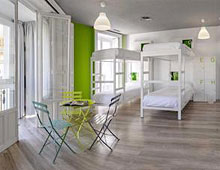 Budget accommodations
  Apartments
  Family Hotel
 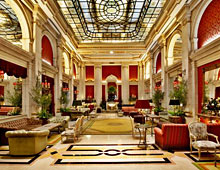 Luxury Hotel
 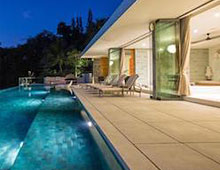 Resorts