Agriturismo Da Pietro
Pomarance - LOCALITA' PODERE VIGNA DANTE, 47 - LUSTIGNANO
Book now
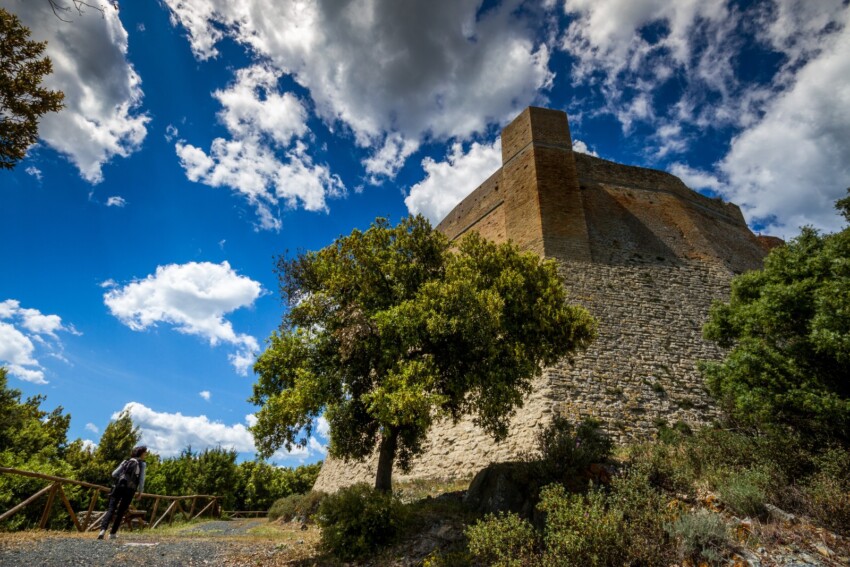
This hilltop village, whose origins predate the year 1000, retains the structure of a medieval castle complete with defensive walls and gateways. Particularly striking is the vista overlooking the “gullies” – a geological phenomenon similar to the Balze of Volterra – which over the centuries has engulfed the oldest buildings. The Romanesque church (12th century) preserves its austere original façade, whilst the interior, remodelled between the 18th and 19th centuries, maintains its three-nave layout and is enriched with frescoes and artworks of considerable merit.
Dating from the 19th century is the Coraggiosi theatre, built according to the canons of classical Italian theatre design, with its distinctive horseshoe shape, stalls and three tiers of boxes. Recently restored, it hosts performances, concerts and cultural events. From the same period are the numerous aristocratic palaces flanking Via Roncalli, including Casa Bicocchi, a perfectly preserved residence complete with period furnishings and open to the public; Palazzo de Larderel in neoclassical style, which belonged to the de Larderel family who pioneered the exploitation of the borax geysers; and Palazzo Ricci, which houses the municipal library and an interesting collection of 16th and 17th-century Pomarance ceramics. (The library has an active internet point and a book consultation and lending service).
In Pomarance you’ll find a supermarket and numerous shops, a riding school with equestrian tuition available, a wellness centre, and tennis and basketball courts open during evening hours.
There are traditional restaurants both in the village and in nearby hamlets, where you can enjoy dishes typical of the area.
Particularly worthwhile excursion destinations near the farmhouse include Rocca Sillana, an imposing medieval fortress that is especially striking with its night-time illumination; the Berignone nature reserve with flora and fauna typical of the Mediterranean scrubland; and the Cecina river, whose clear waters invite swimming in a natural, wild and unspoilt setting.
Of rare beauty is the location known as ‘Masso delle Fanciulle’, steeped in ancient legend.
Larderello sits at the heart of what is known as ‘The Devil’s Valley’. The ancients believed that Hell itself lay deep beneath the surface, owing to the numerous plumes of vapour that emerge from the ground. The exploitation of this steam as an endogenous energy source began in the 19th century and continues today using cutting-edge technology to generate electricity and district heating throughout the area. The landscape is characterised by enormous pipelines conducting steam to the power stations and by cooling towers that together create a truly unusual atmosphere. A visit to the museum is particularly instructive, and the opening of a demonstration geyser offers a striking example of the geothermal force unleashed.
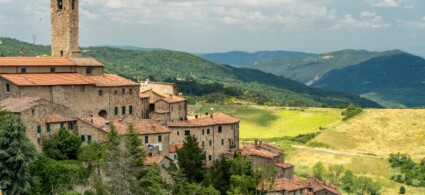
Numerous small villages perch on the surrounding hilltops, retaining their ancient character and bearing names that already hint at their history: Castelnuovo and Serrazzano – ancient hamlets surrounded by chestnut forests – Montecastelli with its Museum of Rural Life and San Dalmazio – medieval castles with Romanesque parish churches; Montecerboli – an ancient castle clinging to a rocky outcrop; Montegemoli, a walled village with a tower known for producing highly prized homemade bread and for its nativity scenes, erected along the village streets each Christmas; Micciano and Libbiano, of Roman origin and close to the Monterufoli nature reserve; Montecatini Val di Cecina with the Mining Museum, from which copper was extracted until relatively recently, preserved with its original 19th-century galleries and the Alfredo shaft with its impressive extraction machinery.
Another worthwhile excursion is to the Peccioli Prehistoric Park.
What's the weather at Pomarance? Below are the temperatures and the weather forecast at Pomarance for the next few days.
To see all the facilities and book accommodation in Pomarance use the form below, entering the dates of your stay.
 Hotel
Hotel 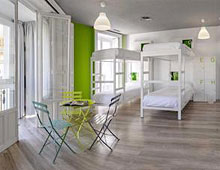 Budget accommodations
  Apartments
  Family Hotel
 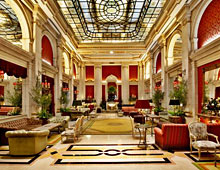 Luxury Hotel
 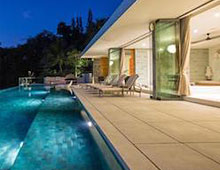 Resorts