Florence: Uffizi Timed Ticket & Masterpieces Audio App
7.148 reviews
Buy now
From 27,20€ per person
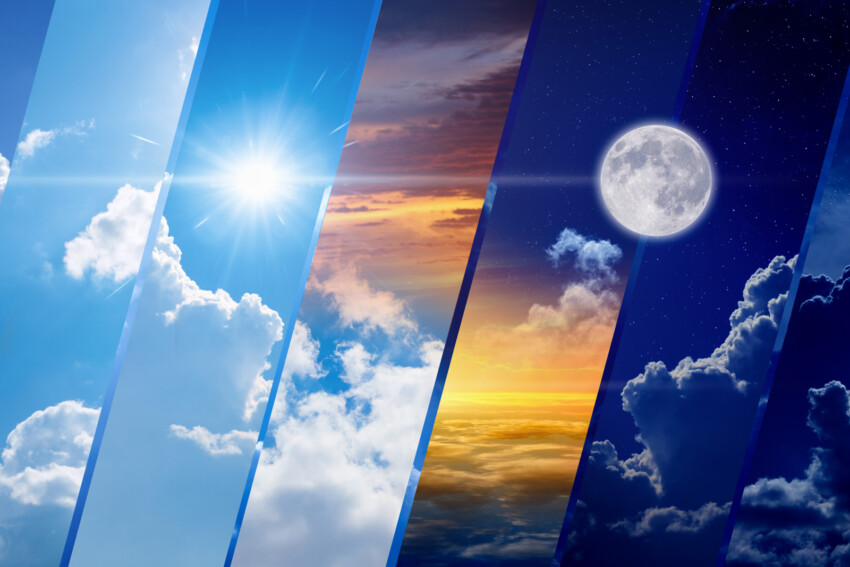
Tuscany’s weather is highly varied, as it’s influenced both by the Tyrrhenian Sea and the Apennines, which also provide protection from storms and winter snow.
To determine the best time to visit Tuscany in terms of weather, you should also bear in mind that the region is extremely diverse in terms of terrain: there are mountainous areas, an extensive coastline and an inland region with a milder climate.
We can therefore divide Tuscany into a series of zones, starting with the coast, which includes the tourist areas of Versilia, the Etruscan Coast, the Maremma coast, Argentario and the islands of the Tuscan Archipelago. Here the climate is typically Mediterranean with dry summers and few days of frost in winter; rainfall is sparse and concentrated mainly during the winter period, snow is almost entirely absent, and there are many hours of sunshine daily.
Then there’s the inland belt, which is fairly extensive, comprising both internal plains and the rolling hills, as well as the Florence plain; here the climate is temperate sub-Mediterranean, with rainfall concentrated mainly in spring and autumn, and summer temperatures can reach peaks of over 40 degrees almost every year.
Finally, the mountainous zone, situated on the Apennine ridge, which also includes Pistoia Mountains. Here winter snowfall is common, with some areas receiving several metres of snow each year; at the same time, there are fewer hours of sunshine, more abundant rainfall, and average temperatures are obviously lower.
Below are the weather forecasts for the next days for the main tourist destinations.
 Hotel
Hotel  Budget accommodations
  Apartments
  Family Hotel
  Luxury Hotel
  Resorts