Florence: Uffizi Timed Ticket & Masterpieces Audio App
7.148 reviews
Buy now
From 27,20€ per person
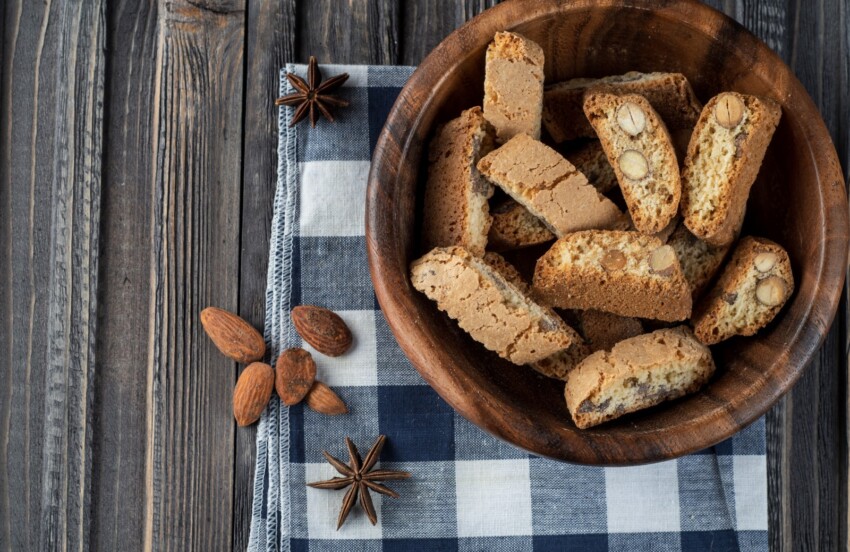
If there is one flavour capable of instantly evoking the Tuscan hills, golden afternoons and the warmth of Italian hospitality, it is captured in a small, firm and wonderfully fragrant biscuit: the Cantuccini di Prato.
Don’t simply call it an “almond biscuit”. Cantuccini are an institution, a piece of history that has managed to win over palates across the world, starting from a small bakery in the heart of Prato.
The origins of cantuccini date back centuries, but the version we know and love today is linked to one particular name: Antonio Mattei. In 1858, this “pastry chef of Prato” perfected the definitive recipe, which earned him prestigious awards at the Paris Universal Exposition in 1867.
The term “cantuccio” probably derives from “canto” (corner) or “cantellus”, which in Latin referred to a piece of bread. Historically, cantuccini were the end slices discarded from the sweet loaves that bakers prepared for the wealthy; these extremities (the “canti”) were given away or sold at low prices to those less well-off.
The name “biscuit” is no coincidence: it literally means “baked twice”. This process guarantees the distinctive texture that has made them famous:
The original recipe is a celebration of simplicity and does not include added fats such as butter or oil:
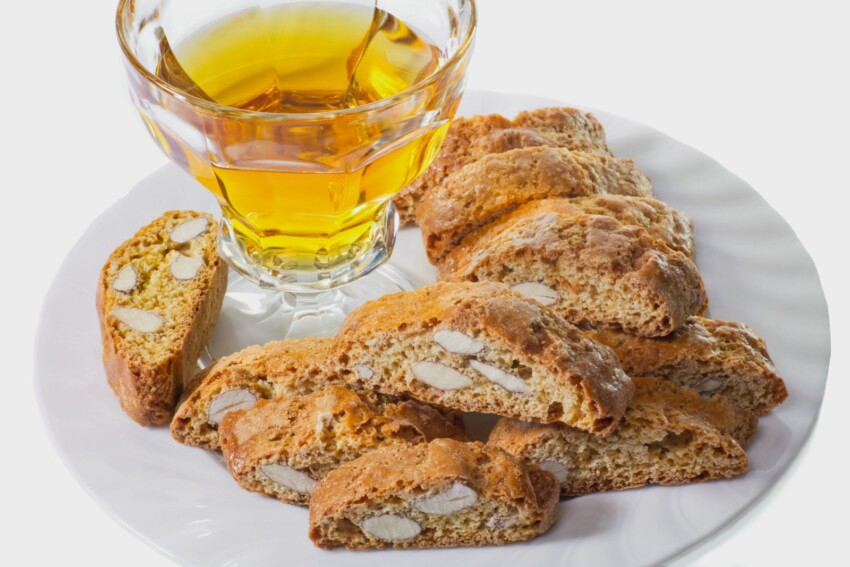
Eating a cantuccini is not just an indulgence, it is a ritual. The inseparable companion is Tuscan Vin Santo, but the approach to tasting often divides enthusiasts:
Since 2016, Cantuccini Toscano has received PGI (Protected Geographical Indication) status. This mark guarantees that the product is made in Tuscany following strict regulations, protecting the tradition from industrial imitations that are often loaded with artificial flavourings.
If you pass through Prato, follow the scent of sugar and eggs drifting through the streets of the town centre: it will lead you straight to the historic shop on via Ricasoli, where time seems to have stood still, much like Antonio Mattei’s recipe.
 Hotel
Hotel  Budget accommodations
  Apartments
  Family Hotel
  Luxury Hotel
  Resorts