Chianti
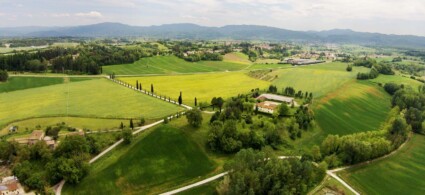
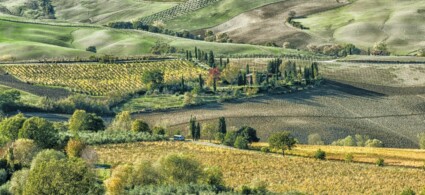
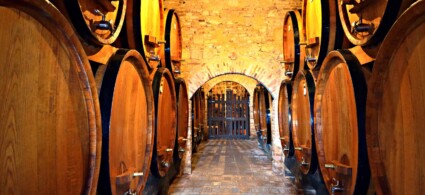
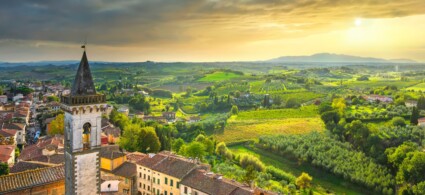
Between Florence and Siena lies the Chianti region, a paradise for wine enthusiasts and equally a magnificent destination with strong tourism appeal.
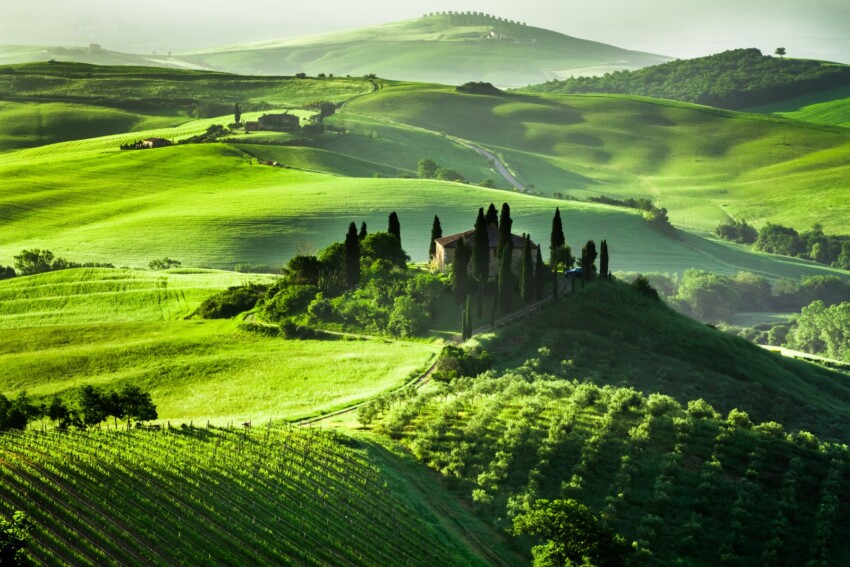
Few other regions in Italy can boast an artistic heritage as profound and deeply rooted in the territory and popular culture as Tuscany. A land of remarkable artistic, historical, cultural and monumental diversity, it welcomes the admiring exploration of its countless visitors with the awareness of having been a beacon of civilisation in the Christian West.
The countless artistic testimonies tell a story as intricate as it is unique, beginning in the earliest days of civilisation and continuing uninterruptedly to the present day. A journey through Tuscany still retains today the timeless allure that accompanied travellers on the Grand Tour.
Anyone approaching this region for the first time cannot help but be struck by the natural symbiosis between landscape and culture, between history and architecture, between urban and rural dimensions. Once the cradle of Italian civilisation and one of the major melting pots of European culture, Tuscany has been a forge of extraordinary artistic production, which set the pace and manner on the continental stage. One need only think of the universality of the Renaissance lesson, which began in Florence thanks to the genius of its extraordinary interpreters and spread throughout Europe.
A journey through Tuscan art begins with the rock-cut dwellings of Cetona, the standing stones of Lunigiana and the ancient civilisations of the Island of Elba, continuing with the Etruscan necropolises, traces of the Roman past, medieval testimonies, the flowering of Gothic, the explosion of the Renaissance, the richness of the Baroque, the Macchiaioli and the most contemporary artistic expressions.
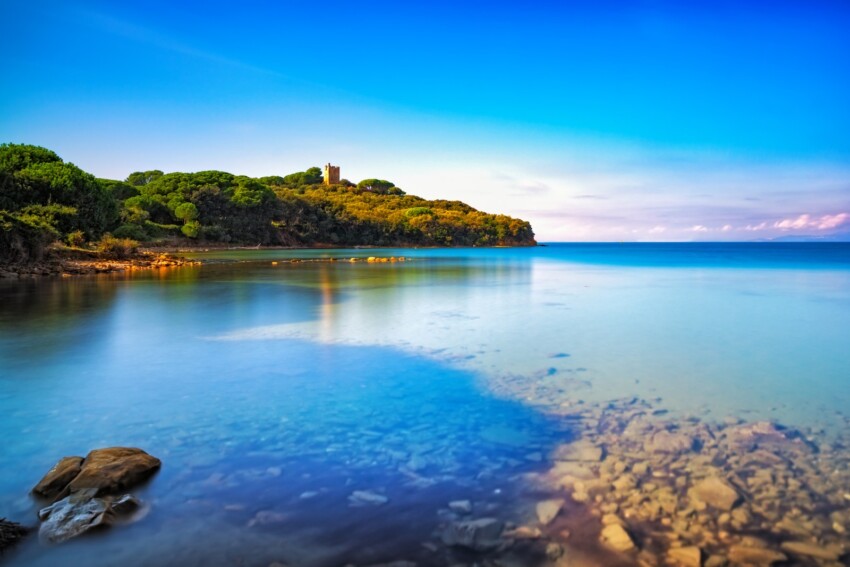
The Tuscan coast can be many things at once. Those seeking long stretches of beach combining relaxation and sophistication will find their ideal setting in Versilia, a celebrated coast framed by the arc of the Apuan Alps. Not far from the Tower of Pisa, new expanses of sand open up, pine groves and the San Rossore Natural Park, where nature makes the rules.
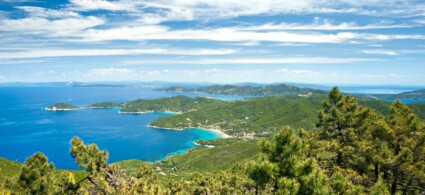
The coves of the Etruscan Coast reveal glimpses of great beauty, as do the islands of the Tuscan Archipelago, with their wild vegetation and blue waters that enfold cliffs and coves. The Argentario completes the picture with the intense and untouched greenery of the Maremma that melts into crystalline blue, between Etruscan heritage sites and ports of exclusive charm.
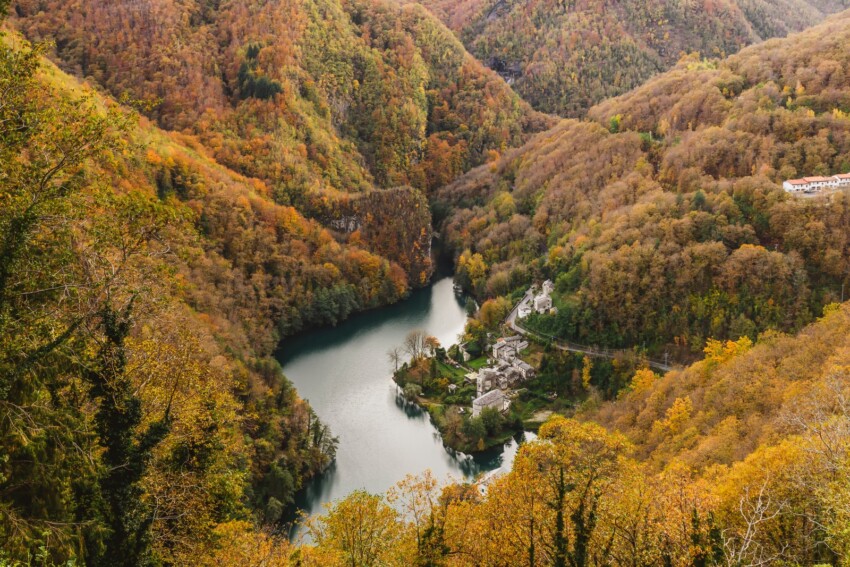
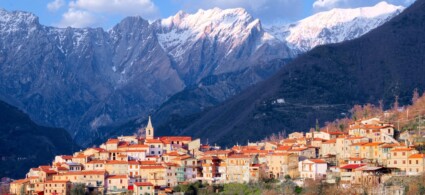
The Tuscan mountains are a journey through colours and emotions. The Apuan Alps offer a unique landscape, with marble cathedrals, caves and castles of Lunigiana. The dazzling white of the quarries contrasts with the green wild valley of Garfagnana, while the sacred forests of Casentino, with their monasteries and hermitages, appeal to those seeking contemplation and spirituality.
The Mugello seduces with its aristocratic and timeless atmosphere, Monte Amiata with its roes, deer and fallow deer. In winter, the forests of Abetone transform into slopes for skiing enthusiasts. Everywhere, kilometres of trekking and mountain biking trails, but also spaces for pure contemplation and absolute rest.
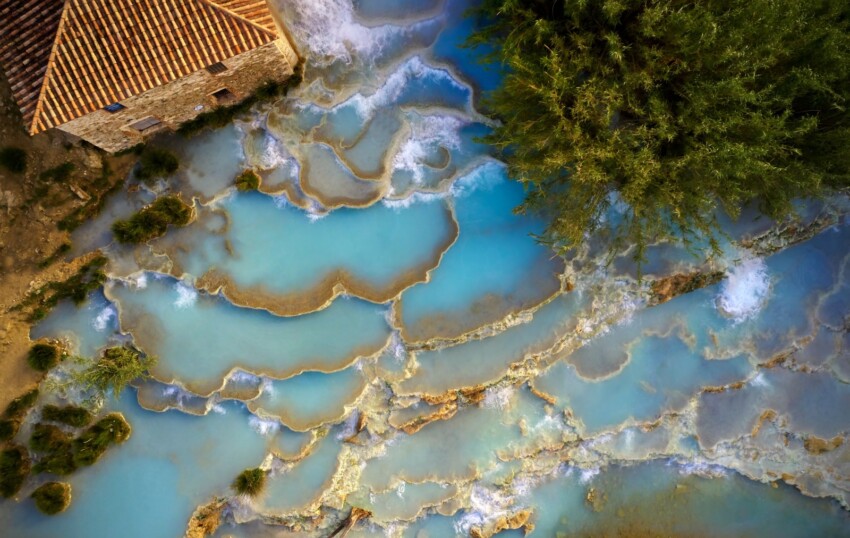
Tuscany is Italy’s most thermal region. Numerous springs of water rich in natural elements were already known in the time of Emperor Augustus; others were frequented by Matilda of Tuscany, Saint Catherine of Siena, Pirandello and Verdi. Tuscan spas are today the new temples of wellness, where the natural beauty of the locations is matched by renovated facilities, natural pools, caves and cascades of hot water to restore balance between physical fitness and inner wellbeing.
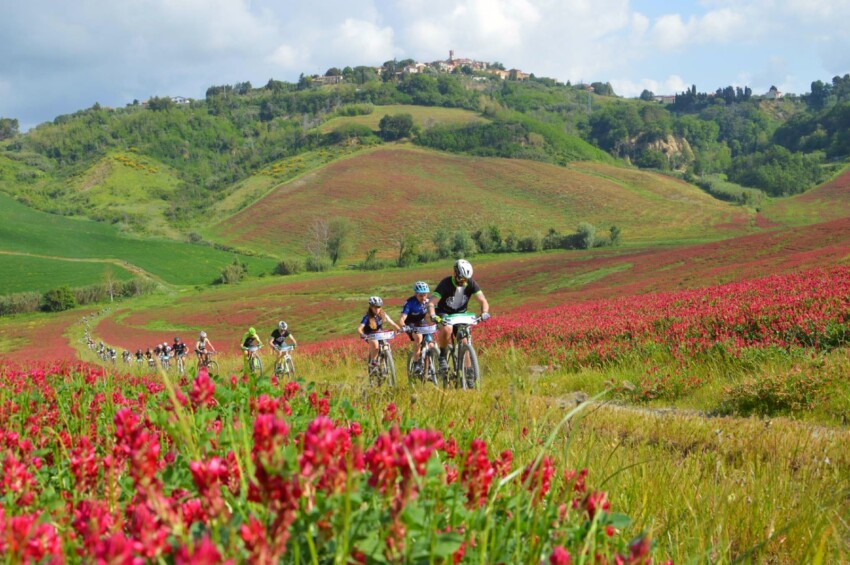
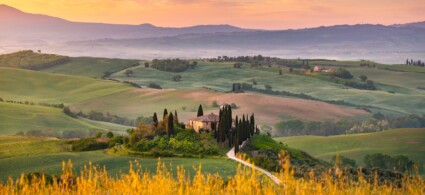
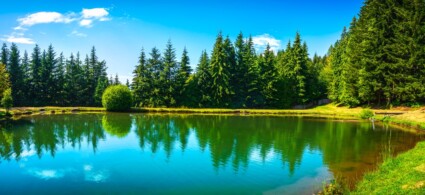
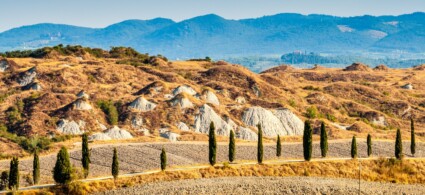
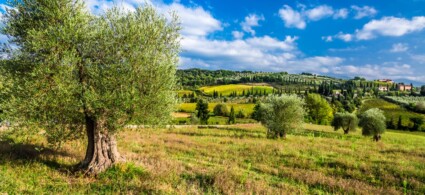
Gentle hills, chromatic fields, rustic farmhouses and cypress trees: this is how the Tuscan landscape has captured the world’s heart. But the nature of this region goes far beyond the iconic image. Snow-capped peaks, ponds and lagoons, Mediterranean scrubland lapping at the sea, deep woodlands and countryside still marked by the age-old practice of mixed cultivation make up a mosaic of great variety.
The system of protected natural areas comprises national parks, state and marine reserves, wetlands of international importance, regional and provincial parks. In implementation of the Community “Habitat” directive, 120 sites of Community importance and 30 special protection zones have been identified, all integral parts of the European Natura 2000 Network.
Tuscany has always been a leading player in the organisation of congresses and conferences, thanks to a network of services spread throughout the region and the professionalism of sector operators. Historic palaces, theatres and modern facilities host major international conferences as well as seminars, business meetings and incentive events. Tourist Agencies and Convention Bureaux in Tuscany are at your disposal to provide technical and logistical assistance in planning events of every kind.

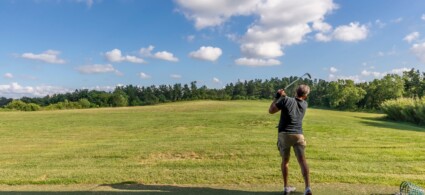
 Hotel
Hotel 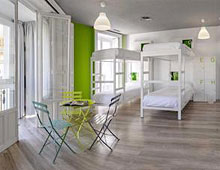 Budget accommodations
  Apartments
  Family Hotel
 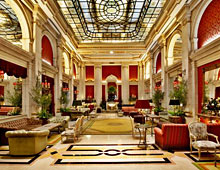 Luxury Hotel
 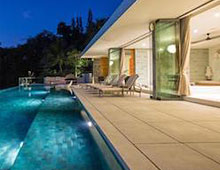 Resorts