Agriturismo Borgo Biaia
Camporgiano - Località Biaia 1/a
Book now
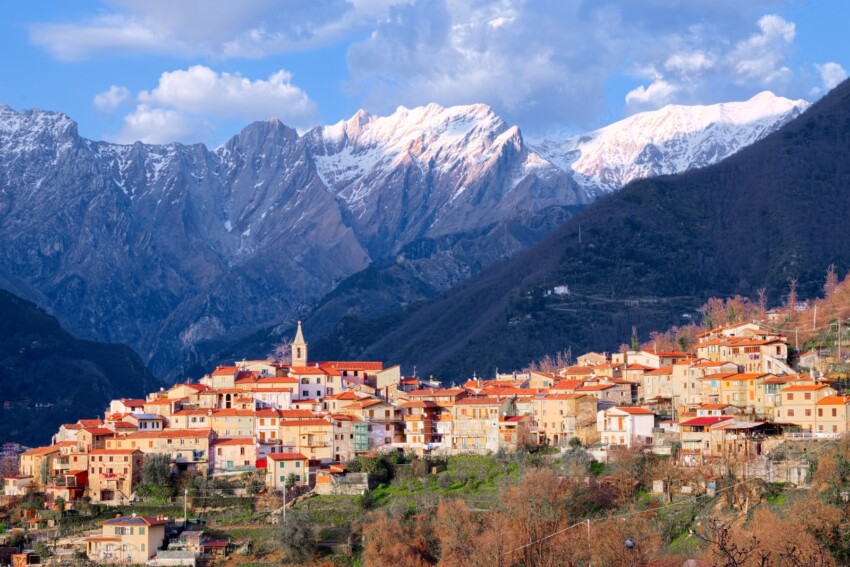
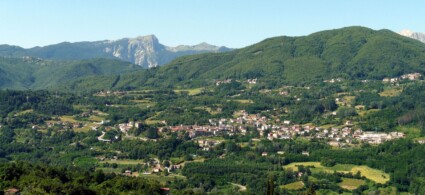
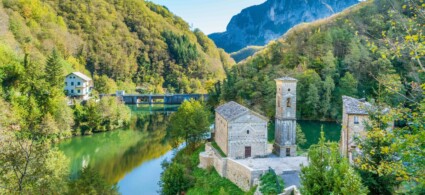
Under Regional Law 5/85, the Tuscany Region established the Apuan Alps Park. This mountain range in north-western Tuscany, unique for its geo-morphological and natural characteristics, extends for approximately 60 km along the Tyrrhenian coast across the Versilia, Lunigiana and Garfagnana areas.
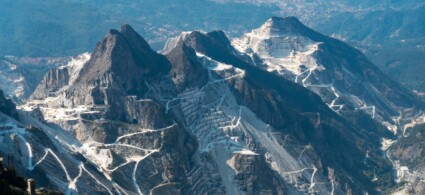
Safeguarding such an imposing ecosystem has become essential given the considerable economic interests surrounding the Apuan Alps. The marble from the Apuan Alps, for example, is of exceptionally high quality and has been extracted since ancient times; the extraction of this limestone, renowned worldwide, is indeed the most flourishing and typical economic activity in the region.
The Apuan Alps stand apart from the nearby Apennines due to their extremely rugged morphology, with their deeply carved valleys and imposing, steeply inclined slopes. The Apuan Alps are renowned for the beauty of their marble and for the deep chasms and vast cavities of the karst underground.
The massif’s geographical position, its exposure and the varied nature of the rocks create an exceptionally diverse and contrasting range of environments, fostering remarkable plant and animal richness across the territory. Moving from north-west to south-east, the Apuan Alps begin with the peak of Monte Pisanino, surrounded by the sharp crests of Pizzo d’Uccello, Monte Grondilice and Monte Roccandagia. Further south lies Tambura, the upper Sella, Monte Sumbra and Monte Altissimo, which borders the Corchia group, Pizzo delle Saette, Pania della Croce and Pania Secca. Still further south are Monte Forato and Matanna, from which the Turrite Cava valley in Garfagnana can be seen.
The Apuan Alps are a morphologically complex mountain chain; their geological structure has undergone numerous changes since the Palaeocene, caused by sedimentation, submersion and re-emergence that have shaped their composition. In general terms, we can say the Apuan Alps consist of a central core with rocks formed in situ through sedimentation and subsequent metamorphosis, a sheet (known as Tuscan) of non-metamorphic rocks surrounding the central core, and a framework composed of various rocks such as diabase, gabbro and serpentine.
The various series of caves at different depths and with different extents are particularly characteristic, often featuring underground watercourses and spectacular stalactites and stalagmites. The mountain area uncovered by tall vegetation is also abundant; the rocky, precipitous surface makes these ridges very similar to the Alps, from which they have therefore taken their name.
Where the terrain’s morphology has allowed it, lush vegetation has taken root and, thanks also to the current low timber usage, chestnuts, beeches and oaks find their ideal environment, forming woodlands of rare beauty.
To see all the facilities and book accommodation in Apuan Alps use the form below, entering the dates of your stay.
 Hotel
Hotel 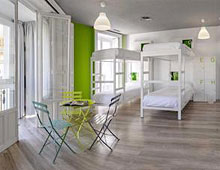 Budget accommodations
  Apartments
  Family Hotel
 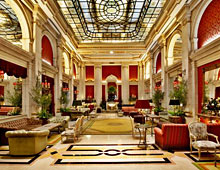 Luxury Hotel
 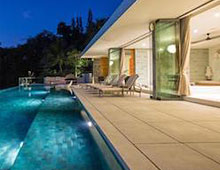 Resorts