Florence: Uffizi Timed Ticket & Masterpieces Audio App
7.148 reviews
Buy now
From 27,20€ per person
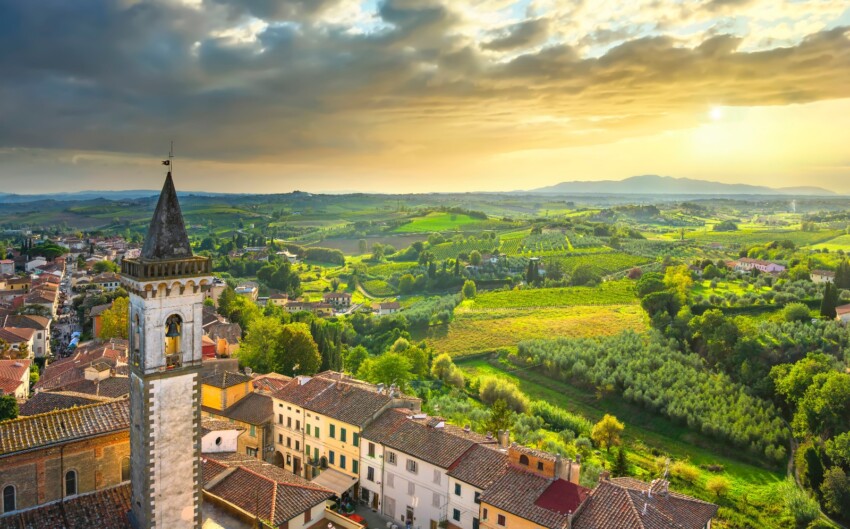
Tuscany represents the ideal destination for those seeking to spend a weekend steeped in culture, exceptional food and unforgettable landscapes. This region offers you an extraordinary range of possibilities: from art cities rich in history to medieval villages perched on hillsides, from natural thermal springs to beaches along the Tyrrhenian coast, from Chianti vineyards to the forests of Casentino.
Tuscany’s central position in the heart of Italy makes it easily accessible from anywhere in the country. The main Tuscan airports of Florence and Pisa offer national and international connections, whilst the railway and motorway networks allow you to move easily between different locations.
Whether you’re an art enthusiast, nature lover, food connoisseur seeking authentic flavours or simply looking for a relaxing weekend, Tuscany will win you over with its variety and authenticity. In this article we present you with the best ideas for organising your Tuscan weekend, with practical suggestions and advice on what to see, where to go and how to make the most of your time.
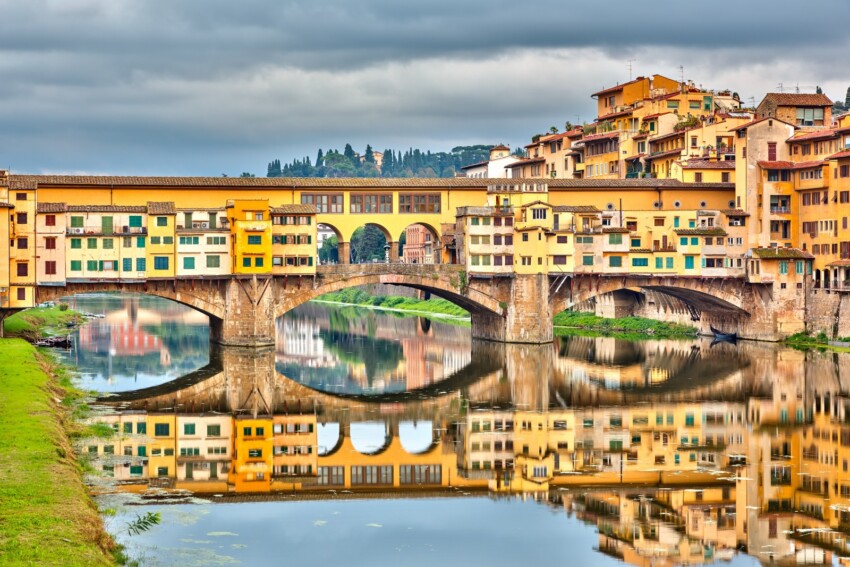
A weekend in Tuscany’s art cities is an experience that leaves its mark. Florence, capital of the Renaissance, deserves at least two full days to visit its most important treasures. Start your day at the Uffizi Gallery, booking your tickets online to avoid lengthy queues.
The museum houses absolute masterpieces such as Botticelli’s Birth of Venus and Leonardo da Vinci’s Annunciation. Dedicate at least three hours to your visit, focusing on the Renaissance rooms which represent the heart of the collection. In the afternoon, cross the Ponte Vecchio to reach Palazzo Pitti and its magnificent Boboli Gardens.
On the second day, explore the Duomo complex, climbing the 463 steps of Brunelleschi’s dome for a breathtaking view over the city. Early morning is ideal for this ascent, when the light is at its most beautiful and there are fewer tourists about. Complete your visit with the Baptistry and Giotto’s Campanile.
Siena offers a more intimate alternative to Florence, with its beautifully preserved medieval historic centre. The Piazza del Campo, shaped like a shell, is the beating heart of the city, where the famous Palio is raced twice a year.
Don’t miss the Duomo of Siena, a masterpiece of Italian Gothic with its floor made of marble intarsia that is only revealed during certain periods of the year. The Piccolomini Library within the cathedral houses frescoes by Pinturicchio of extraordinary beauty. Allow time also for a visit to the Museum of the Opera, which houses Duccio di Buoninsegna’s Maestà.
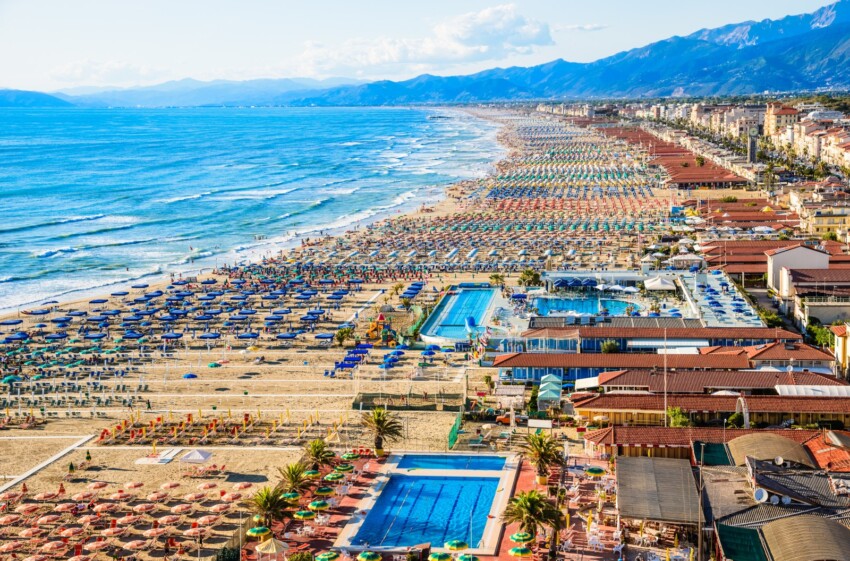
The Tuscan coast boasts over 320 kilometres of coastline with beaches for all tastes. The Etruscan Coast in the province of Livorno combines crystal-clear waters with interesting archaeological evidence.
San Vincenzo is a highly appreciated seaside resort, with a long stretch of fine sandy beach and clean waters that have repeatedly earned it the Blue Flag award. The tree-lined promenade is perfect for sunset strolls, whilst the historic centre offers numerous restaurants where you can enjoy fresh fish.
Just a few kilometres away you’ll find Baratti, a natural bay surrounded by pine forests where the sea takes on Caribbean hues. Here you can combine relaxation on the beach with a visit to the Baratti and Populonia Archaeological Park, an Etruscan site overlooking the sea with necropolises and industrial remains where iron from the Island of Elba was worked.
The Versilia is the ideal destination for those seeking a glamorous seaside weekend. Forte dei Marmi represents the epitome of Versilia elegance, with its historic beach clubs, luxury boutiques and Michelin-starred restaurants.
The beach is wide and sandy, protected by neat rows of colourful beach umbrellas that have become an icon of the resort. The Wednesday morning market attracts visitors from throughout Tuscany for its quality stalls. Behind the coast rise the Apuan Alps, the marble mountains that offer spectacular scenery and cooler temperatures on hot summer days.
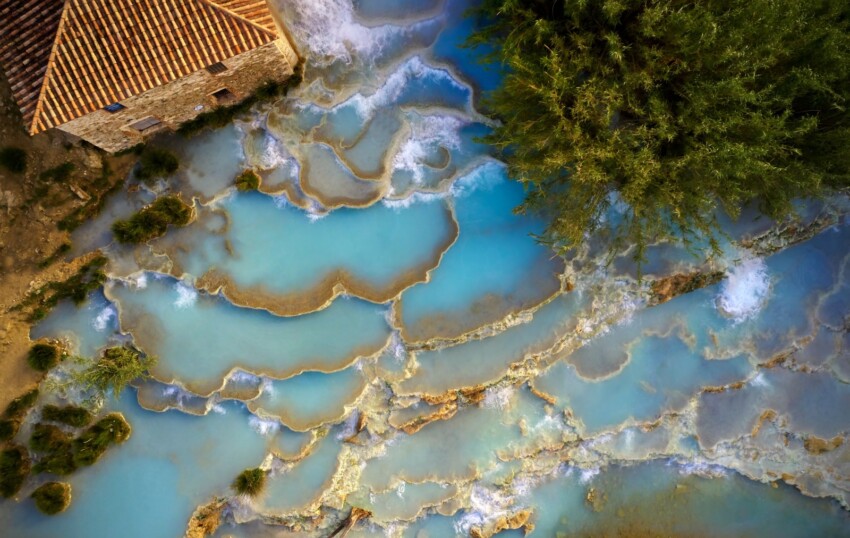
Tuscany is famous for its natural thermal springs, where hot water flows from the earth at temperatures between 36 and 40 degrees. The Saturnia Thermal Springs are the most well-known and popular, with their free waterfalls at the Mill where you can bathe free of charge 24 hours a day.
The beneficial sulphurous water flows, forming natural travertine pools and creating an almost lunar landscape. The best time to visit is at dawn or dusk, when the crowds thin out and you can enjoy the magical atmosphere in greater tranquillity. Bring a swimming costume, towel and flip-flops, and bear in mind that the smell of sulphur will linger on your belongings.
San Filippo Baths offer a wilder, less crowded thermal experience. In the Fosso Bianco you’ll find the spectacular White Whale, a limestone formation about 8 metres high that really does resemble a whale. The trail to reach it starts from the village and takes about 20 minutes of walking.
Bagno Vignoni is a unique village in the world, with a Renaissance thermal pool in place of the central square. The steaming hot water creates a suggestive atmosphere, especially on winter days. Whilst it’s not possible to bathe in the main pool for conservation reasons, just outside the village you’ll find the Mill Park with free pools set in the countryside.
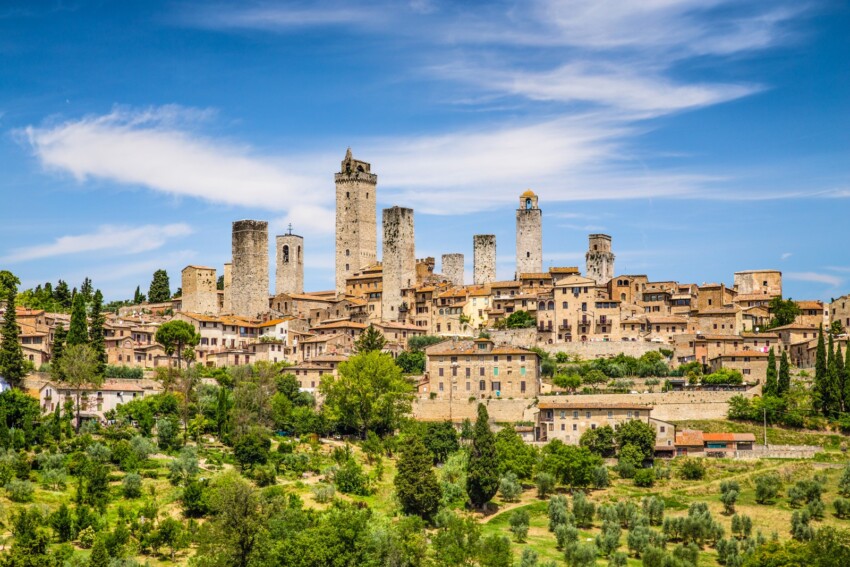
The Tuscan medieval villages seem frozen in time, with their walls, towers and cobbled alleyways. San Gimignano, a UNESCO World Heritage site, is famous for its 14 surviving medieval towers, which earned it the nickname of Medieval Manhattan.
Climb the Torre Grossa, 54 metres high and the only tower open to the public, to admire the panorama over the Chianti hills and Val d’Elsa. The village is small and easily visited in half a day, leaving you time to taste the Vernaccia di San Gimignano, Tuscany’s only white DOCG wine, in the numerous wine bars in the centre.
Volterra overlooks the Val di Cecina from a hilltop at 531 metres above sea level. The city preserves evidence of 3,000 years of history, from Etruscan walls to the Roman theatre, from the medieval cathedral to Renaissance palaces.
The Guarnacci Etruscan Museum houses one of Italy’s most important Etruscan collections, with over 600 funerary urns in alabaster and tufo. Don’t miss the famous Shadow of the Evening, an elongated bronze Etruscan statuette that recalls Giacometti’s sculptures. The craft workshops in the centre continue the age-old tradition of alabaster carving.
Montepulciano unfolds along a ridge at 605 metres above sea level, with Renaissance architecture of great impact. The climb to the village, called the Corso, is a walk past noble palaces, churches and historic wine cellars.
In the Piazza Grande stand the Cathedral, the Municipal Palace and the Well of Griffins and Lions. Climb to the tower of the Municipal Palace for a 360-degree view over Val d’Orcia and Val di Chiana. Vino Nobile di Montepulciano DOCG is one of Tuscany’s great red wines: many wineries offer tours and tastings in their historic cellars carved into the tufo.
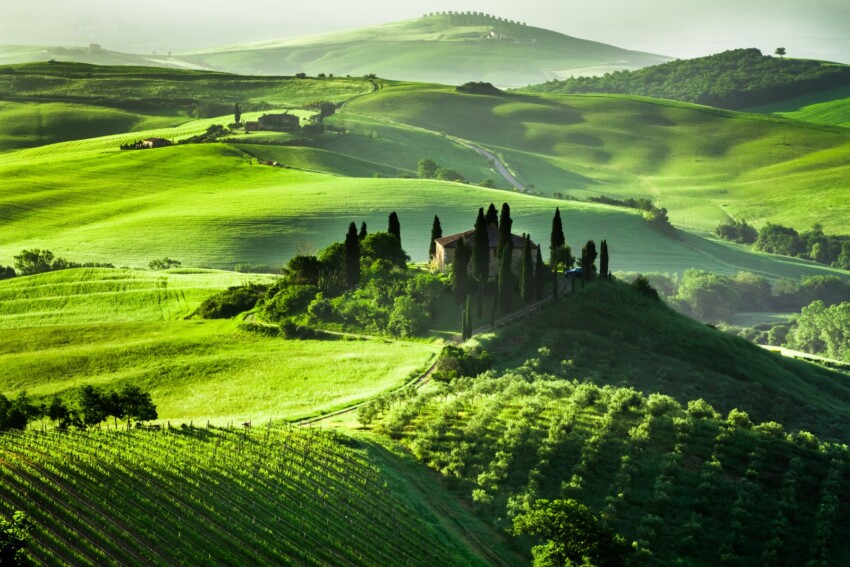
The Val d’Orcia represents the quintessential Tuscan landscape, the one immortalised in thousands of postcards and films. The rolling hills, solitary cypress trees, isolated farmhouses and cultivated fields create perfect compositions in every season.
The provincial road SP146 from San Quirico d’Orcia to Pienza crosses some of Tuscany’s most photographed scenery. Stop at the Chapel of the Madonna of Vitaleta, a small Renaissance church surrounded by cypress trees that has become an icon of the valley. Dawn and dusk are the best times for photography, when the slanting light accentuates the shapes of the hills.
The Chianti is Tuscany’s most famous wine region, dotted with villages, castles and wineries. Greve in Chianti is considered the gateway to the area, with its triangular piazza surrounded by colonnades where a lively market is held on Saturday mornings.
The Chianti Classico roads (marked by the Black Rooster) wind through immaculately tended vineyards and centuries-old olive groves. Many wine estates open their doors to visitors for guided cellar tours and tastings. The Brolio Castle in Gaiole in Chianti offers not only excellent wines but also splendid Italian gardens with views over the vineyards.
The Casentino Forests National Park protects some of Europe’s last primary forests, with monumental beech trees and white firs reaching 50 metres in height. The Sasso Fratino Integral Reserve is the first integral nature reserve established in Italy in 1959.
The Verna Sanctuary, where St Francis received the stigmata in 1224, is nestled in the forest at 1,128 metres above sea level. The nature and spirituality of the place create a unique atmosphere. Numerous trails allow for hiking, mountain biking or horse riding through these enchanted forests.
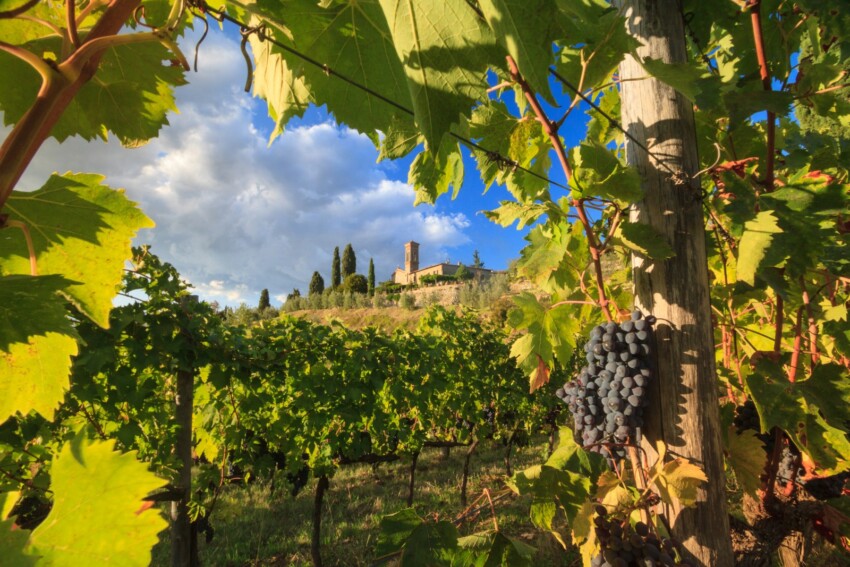
A weekend dedicated to Tuscan flavours is an unforgettable experience. The journey can begin along the Chianti Classico Wine and Oil Route, which connects numerous farm businesses where you can taste and buy local products.
Historic wineries such as Antinori, Frescobaldi and Castello di Ama offer guided tours that explain the entire wine production process, from vineyard to bottle. Many also have gourmet restaurants where you can sample the best labels paired with traditional dishes revisited by Michelin-starred chefs.
Local markets are the ideal place to discover typical products. The Central Market of Florence on the upper floor has become a quality food court where you can taste Tuscan specialities from the best producers. In Siena, Wednesday morning’s market in Piazza del Campo offers locally-sourced products.
Don’t miss the opportunity to visit an artisanal cheese-making dairy to see how DOP Tuscan pecorino is produced, or a delicatessen where Tuscan prosciutto and finocchiona are aged. Many organic farms organise lunches with their own products, offering an authentic taste of Tuscan rural life.
To make the most of your Tuscan weekend, consider hiring a car if you want to explore villages and countryside. The road network is excellent and the views along the secondary roads are spectacular. Book in advance, especially during peak season.
As for accommodation, Tuscany offers options for every budget: from farm stays nestled in the hills to boutique hotels in the heart of art cities, from luxury villas on the coast to campsites in nature.
The best time to visit depends on your interests: spring and autumn are ideal for exploring art cities and villages, with mild temperatures and fewer tourists. Summer is perfect for the seaside but very hot inland. Winter has its own charm, with romantic mists in Val d’Orcia and intimate atmospheres in the towns.
Keep in mind that many museums and attractions require online booking, particularly in Florence and Siena. Book at least a week in advance to ensure availability. The most renowned restaurants should be booked even further ahead, especially at weekends.
 Hotel
Hotel  Budget accommodations
  Apartments
  Family Hotel
 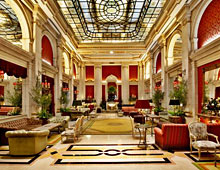 Luxury Hotel
 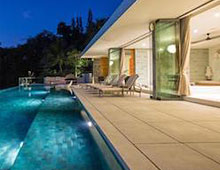 Resorts